Executive Summary
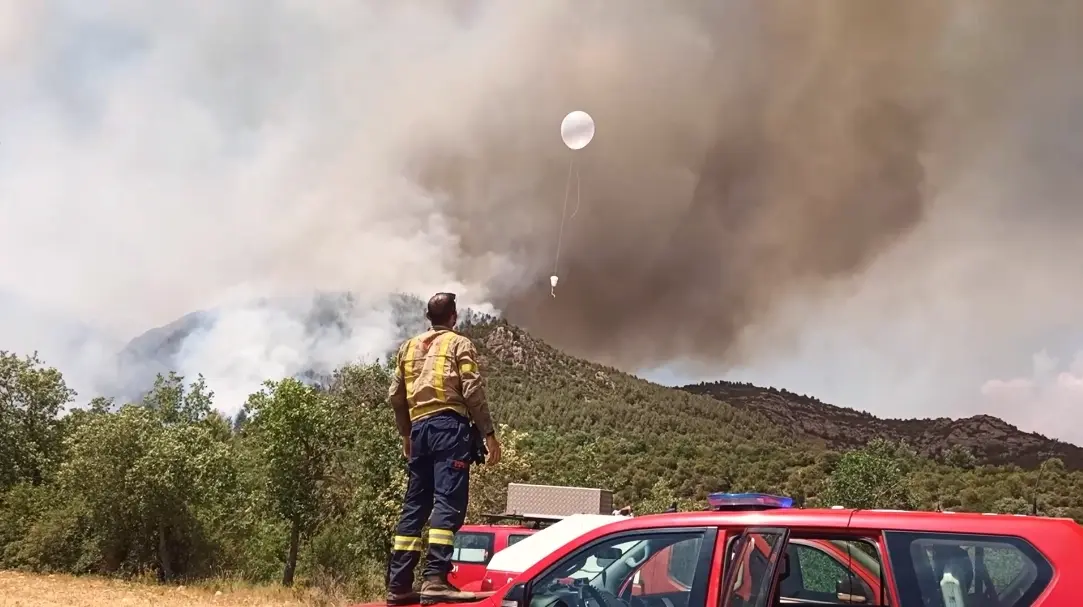
A 2021 field campaign led by Marc Castellnou employed Windsond radiosondes to probe the complex interactions between extreme wildfires and the atmosphere. Published in the Journal of Geophysical Research: Atmospheres (November 2022, DOI: 10.1029/2022JD036920), the study launched 13 lightweight sondes into seven Iberian wildfires. After validating Windsond data against Vaisala RS41-SG reference soundings, researchers collected in-plume profiles of temperature, humidity, pressure, and wind. These real-time measurements diverged from existing theoretical models, prompting the authors to propose a new four-category classification of fire-atmosphere coupling. Their findings underscore the value of in-fire-plume observations for understanding how pyrocumulus and pyrocumulonimbus clouds amplify wildfire intensity and spread. By filling critical data gaps, Windsond soundings pave the way for more accurate fire behavior models and improved risk mitigation strategies.
Key Learnings
- Global trends show an uptick in extreme wildfires that generate hazardous pyrocumulus and pyrocumulonimbus clouds.
- Windsond sondes deliver rapid, in-situ temperature, humidity, pressure, and wind profiles inside active fire plumes.
- Validation against Vaisala RS41-SG confirmed Windsond’s accuracy under turbulent, high-heat conditions.
- Field data differed markedly from theoretical predictions, highlighting the need for direct measurements.
- Researchers proposed a four-type classification of fire-atmospheric interactions affecting fire spread.
- In-plume observations are crucial to refine numerical wildfire models and enhance forecasting accuracy.
The Growing Threat of Extreme Wildfires
In recent decades, wildfires have become larger and more destructive worldwide. Severe fire events—from the 2009 Australian Black Saturday fires to the 2018 Camp Fire in California—have claimed hundreds of lives and devastated communities. A key driver of this escalation is the formation of pyrocumulus and pyrocumulonimbus clouds, which feed back energy and turbulence into the fire, making behavior less predictable.
Why Radar and Theory Fall Short
Doppler radar and laboratory models offer valuable insight into storm dynamics but cannot directly sample the intense, localized conditions inside wildfire plumes. The lapse rates, moisture content, and wind shear within these fire-driven clouds critically influence ember lofting, fireline intensity, and plume rise—parameters that theoretical models often simplify.
Windsond Radiosondes: Lightweight In-Plume Sensors
Windsond sondes are compact, balloon-borne packages designed for rapid deployment in hazardous environments. Each sonde measures:
- Temperature
- Relative humidity
- Atmospheric pressure
- Three-dimensional wind profiles
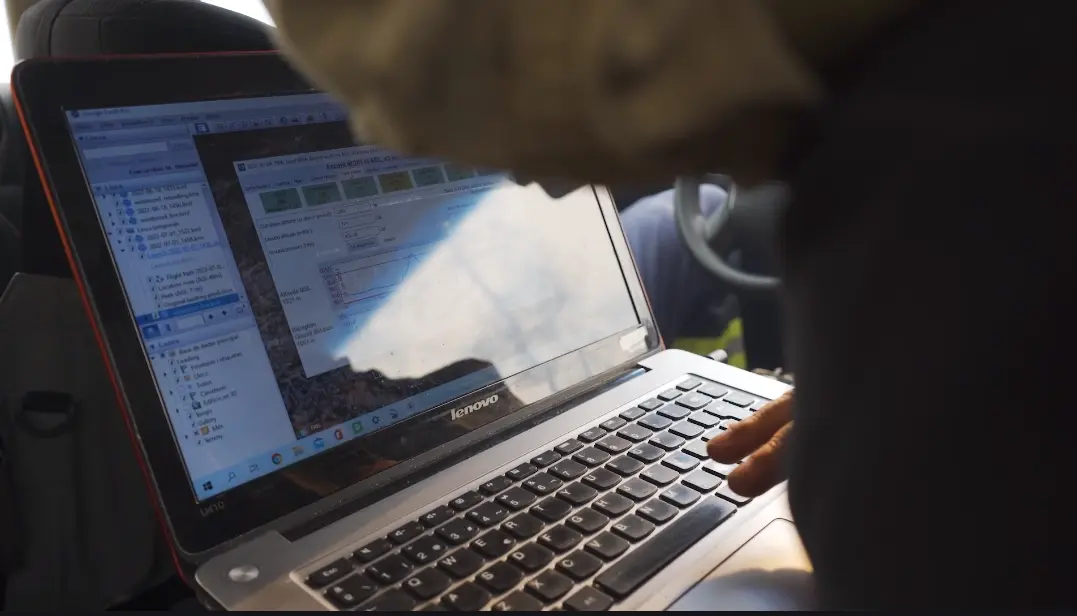
Weighing under 15 g and paired with small helium balloons, sondes can be launched in quick succession, even amid shifting firefront conditions. Data are streamed in real time to ground stations for immediate analysis.
2021 Iberian Wildfire Campaign
Led by Marc Castellnou, the research team launched 13 Windsond sondes into seven active wildfires across Spain and Portugal during the 2021 fire season. Key steps included:
- Validation Experiments
Windsond readings were benchmarked against Vaisala RS41-SG reference sondes under controlled conditions, demonstrating strong agreement across all measured parameters. - In-Plume Launches
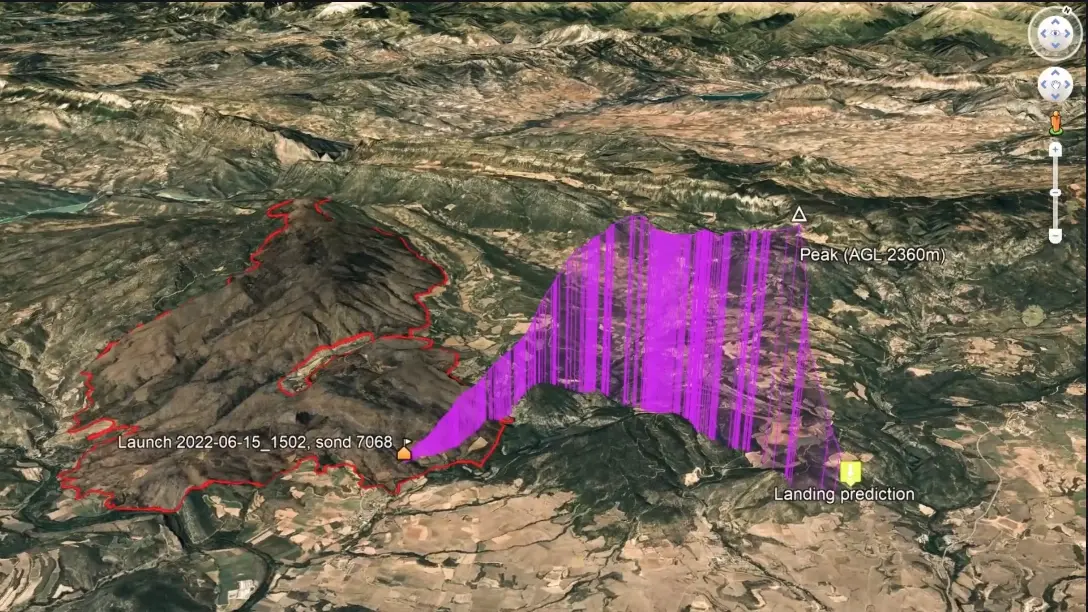
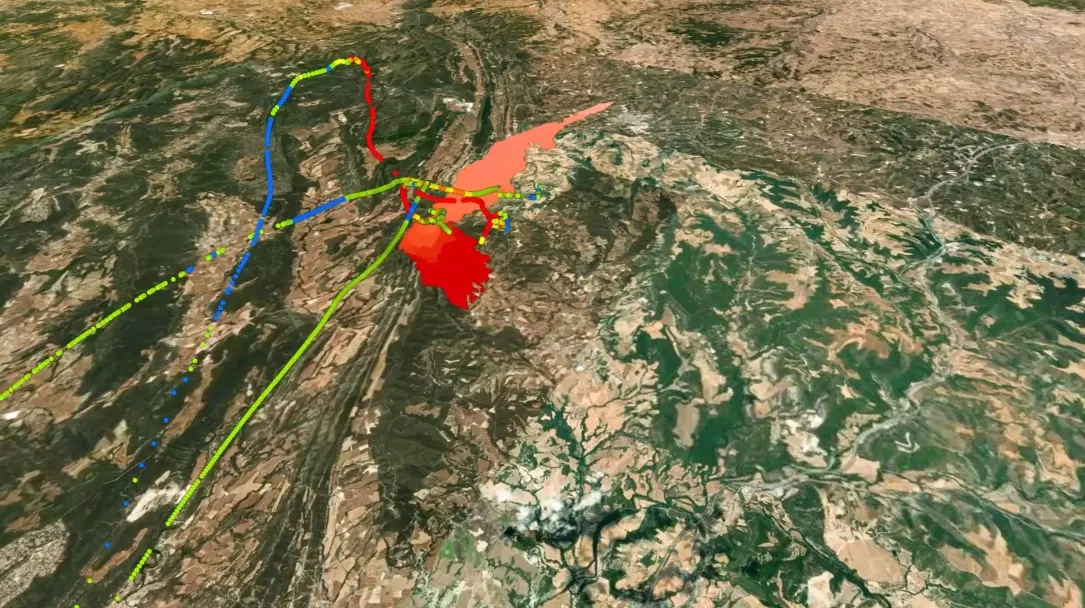
Probes were released into fire plumes at altitudes between 1 000 and 3 500 m above ground. Turbulent updrafts lofted sondes into the pyrocumulus layer, where temperature inversions, moisture anomalies, and shear layers were recorded. - Data Analysis
Profiles revealed significant deviations from theoretical lapse-rate expectations and moisture distributions. These anomalies underpin the proposed classification of fire-atmosphere coupling.
Four-Type Classification of Fire-Atmosphere Coupling
Based on in-plume observations, the authors introduced a framework to categorize fire-atmosphere interactions:
- Type I: Convective Plume Coupling
Strong updrafts create deep pyrocumulus growth. - Type II: Entrainment-Dominated Plume
Ambient air mixes into the plume, reducing buoyancy. - Type III: Transitional PyroCb Formation
Plume evolves toward pyrocumulonimbus, with localized precipitation. - Type IV: Detached Convective Cells
Fire-induced clouds split from the core plume, generating secondary updrafts.
This classification links measurable atmospheric layers to fire spread patterns and intensity spikes.
Implications for Wildfire Modeling and Mitigation
In-plume soundings fill a critical observational gap—quantifying the thermodynamic and dynamic processes that sustain extreme wildfires. By integrating Windsond data into numerical fire-behavior models, meteorologists and fire managers can:
- Improve predictions of ember transport and spot-fire ignition
- Refine plume-rise algorithms for smoke dispersion forecasts
- Enhance early warning systems for communities at risk
Sources
- Castellnou, M., et al., “In situ observations of fire-cloud interactions using Windsond radiosondes,” Journal of Geophysical Research: Atmospheres, November 2022, DOI: 10.1029/2022JD036920.
- World Health Organization, “Global Trends in Wildfire Incidents and Impacts,” 2021.
- National Interagency Fire Center, “Historical Wildfire Fatalities and Damages,” accessed January 2023.
About the author

Mattias Wilzén
Head of Finance & Customer Accounts
Oversees financial performance and ensures smooth operations for our customers, from order to delivery and ongoing support