Executive Summary
Hailsonde is a collaboration between the Australian Bureau of Meteorology and Sparv Embedded that deploys hailstone-shaped sensor probes to measure how hailstones form and grow inside supercell updrafts. Weighing just 24 g and measuring 6.5 cm in diameter, each probe is a modified Windsond S1 encased in a 3D-printed polystyrene shell. Launched by small balloons, the devices detach at around 3 500 m above mean sea level (MSL) and are lofted by updraft winds to heights exceeding 7 000 m before falling out of the storm. During field tests in July 2023 near Edson, Alberta, two hailsondes transmitted real-time data on ice accretion, temperature, humidity, and GPS-tracked trajectories. Finalists for the 2022 Harry Otten Prize, hailsondes fill critical observational gaps in storm physics and pave the way for improved hail forecasts and damage warnings.
Key Learnings
- Hailsondes mimic real hailstones in weight, shape, and aerodynamic behavior
- Small balloons enable rapid, multiple launches without bulky equipment
- Probes measure ice growth, temperature, humidity, and GPS position inside updrafts
- Real-time telemetry captures data from detachment at 3 500 m to lofting above 7 000 m
- Collaboration spans Australian Bureau of Meteorology, Sparv Embedded, and Northern Hail Project
- Technology finalist for Harry Otten Prize for innovation in meteorology
Hail Risks and Research Needs
In many regions, giant hailstones can endanger people, animals, infrastructure, and agriculture. Despite advances in radar detection, details of hailstone growth and dynamics inside storm cores remain poorly understood. Capturing in-cloud thermodynamic and trajectory data is essential to refine hailstone formation models and improve early warnings.
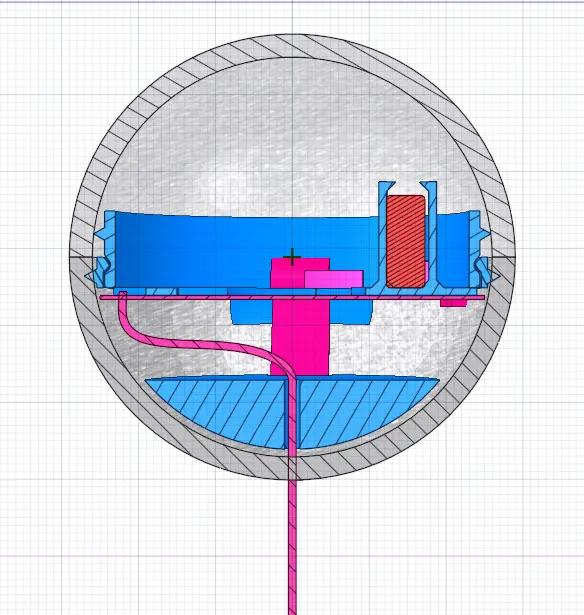
Design of electronics and spherical case. Image: Joshua Soderholm, Australia BoM
Hailsonde Technology and Design
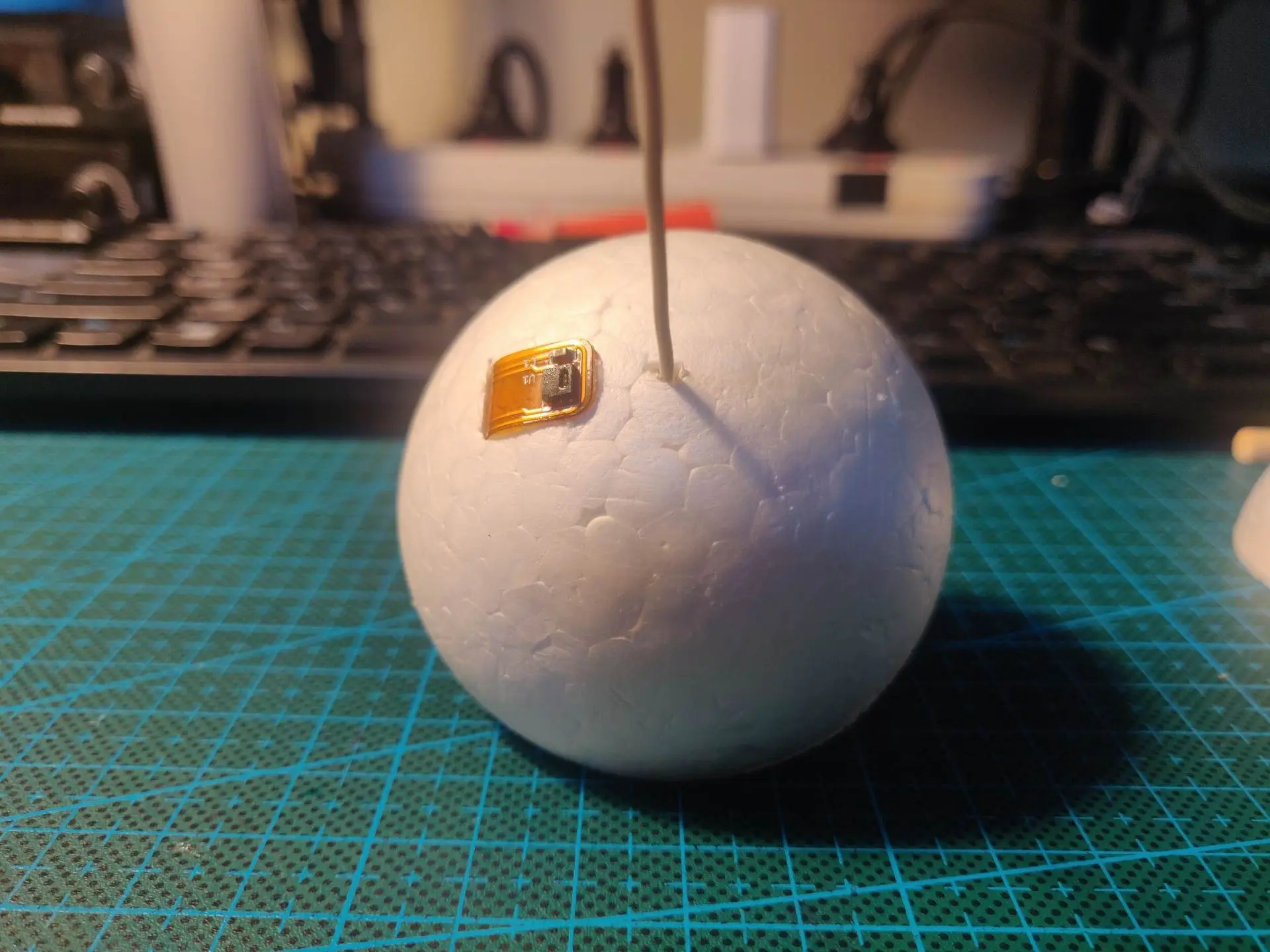
Each hailsonde is built on Sparv Embedded’s Windsond S1 platform and redesigned as a 24 g sphere, 6.5 cm across. A 3D-printed polystyrene shell protects micro-sensors and electronics weighing 9 g, plus a 1.9 g battery. Sensors record temperature, humidity, pressure, and GPS position. Once winds inside a storm’s updraft exceed the probe’s terminal velocity, the hailsonde detaches from its small helium balloon and remains aloft, circulating within the storm’s rotation (mesocyclone), just like natural hail.
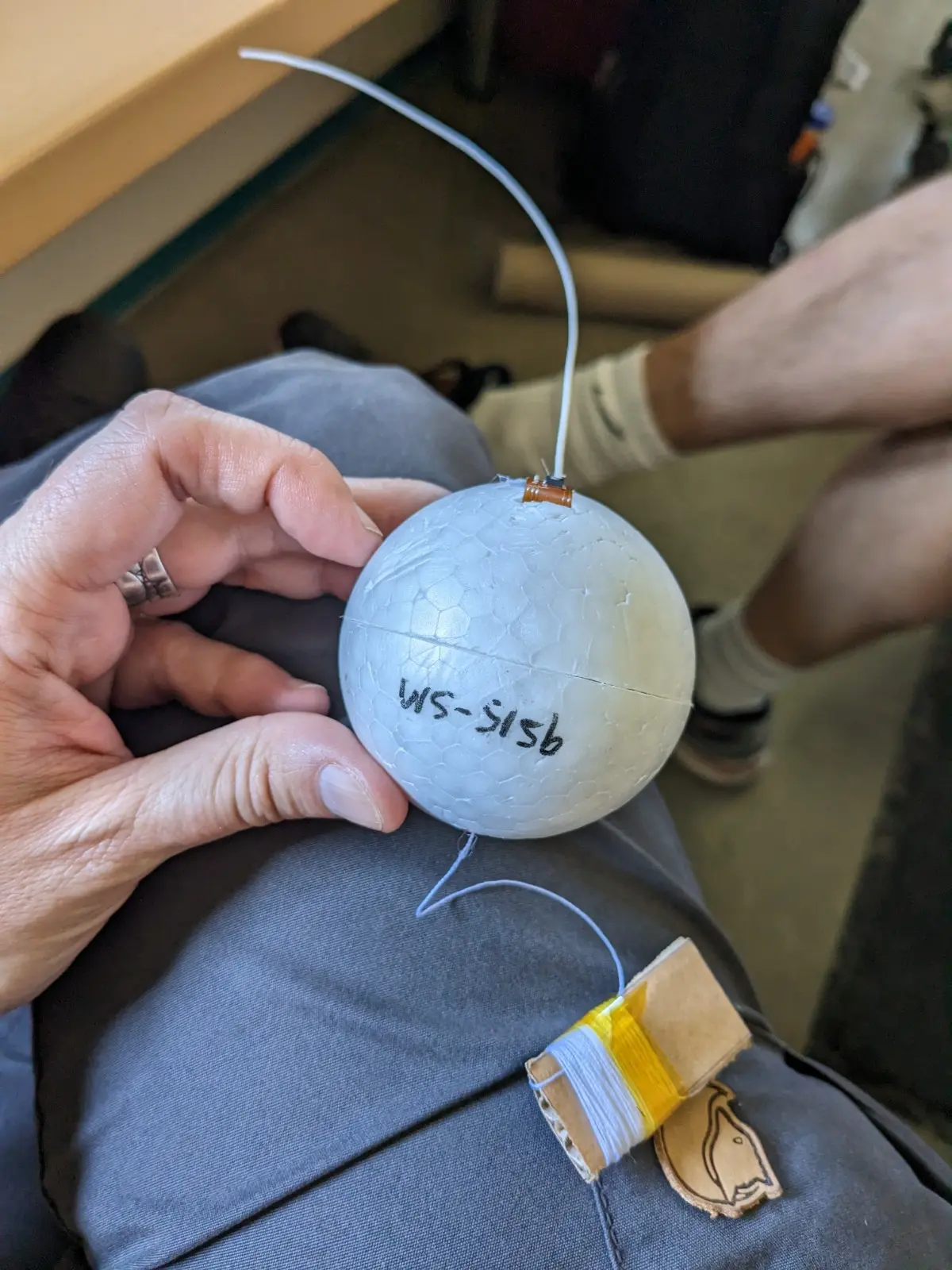
A hailsonde before launch. Picture: Joshua Soderholm, Australia BoM
First Field Deployment in Alberta
On July 24, 2023, researchers led by Joshua Soderholm intercepted a supercell near Edson, Alberta. Two hailsondes were released into the storm’s inflow region. After detachment at about 3 500 m MSL, strong updrafts carrying winds over 120 km/h lofted the probes above 7 000 m, where they collected ice-growth and environmental data before falling out. This successful trial demonstrates the system’s resilience in extreme conditions.
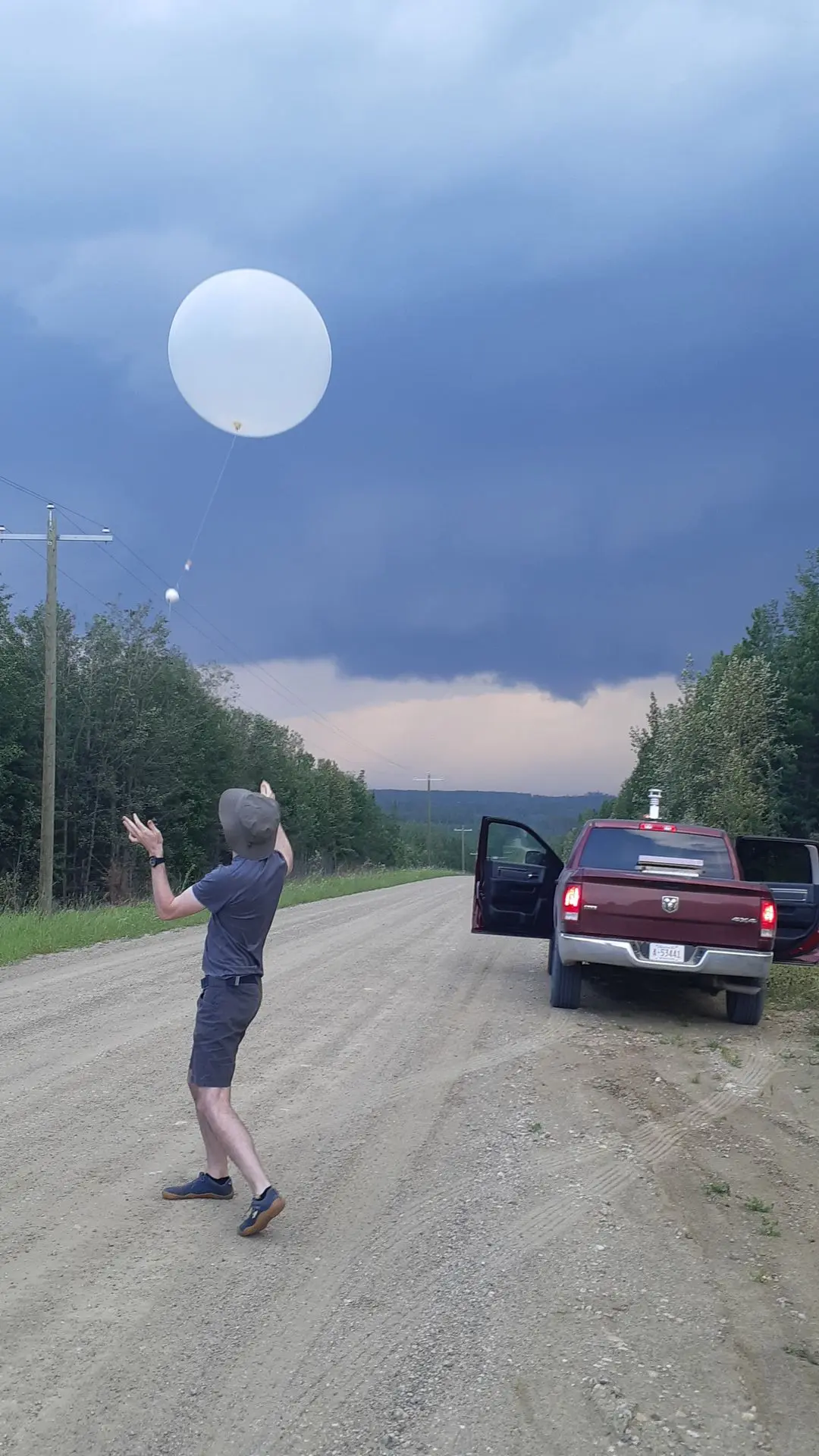
Launch of a sonde. Picture: Julian Brimelow, Western University
Collaboration and Future Plans
The hailsonde project unites the Australian Bureau of Meteorology, Western University’s Northern Hail Project, and Sparv Embedded. Building on this success, teams plan to launch larger numbers of probes across different storm regions. Retrieval methods will be developed to recover probes and analyze collected ice. Ongoing campaigns include Canada’s Northern Hail Project, Germany’s LIFT project, and the proposed U.S. ICECHIP initiative.
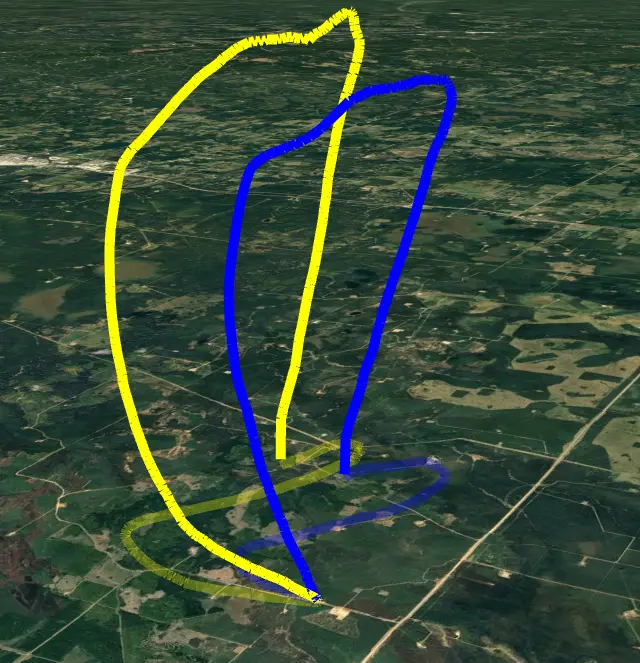
Track of the two hailsondes. Image: Joshua Soderholm, Australia BoM
Impacts on Hail Forecasting
By providing direct measurements of hailstone growth, trajectory, and in-cloud conditions, hailsondes will validate and improve simulation models. Enhanced understanding of hail dynamics will drive more accurate nowcasting tools and timely warnings, ultimately reducing hail damage costs and protecting communities.
Sources
- Jeff Renaud, “Movie-inspired technology successfully collects hail data from eye of the storm,” Western University News, August 10, 2023.
- Charles Q. Choi, “Hailsondes Launch Into Thunderstorms to Sound Them Out,” IEEE Spectrum, August 17, 2023.
- Joshua Soderholm, Twitter post, July 2023.
About the author
Anders Petersson
Chief Executive Officer & Founder
Anders is the CEO and CTO, coordinating the company's general direction and engineering. He often discusses user requirements and how to accomplish them.